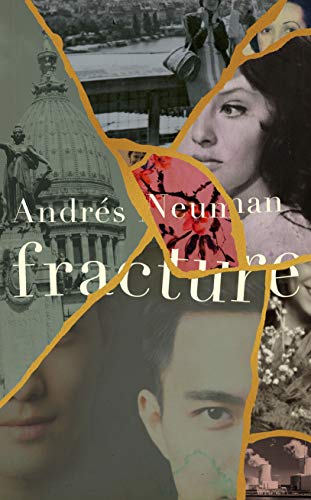
Genre- Historical Fiction, Literary Fiction
Rating- 4/5
“An earthquake fractures the present, shatters perspective, shifts memory plates.“
Rarely does one come across prose as raw and resplendent as this one. The emotions of the characters was portrayed beautifully in Neuman’s Fracture. It is rare for me to cry while reading a book but I cannot help it when an author writes with such unusual vividness to detail and memory.
Mr. Watanabe is a hibakusha– someone affected by the 1945 atomic bombings of Hiroshima and Nagasaki. The book starts with Mr. Watanabe feeling the tremors of the 2011 earthquake that preceded the Fukushima nuclear disaster. The earthquake brings old wounds and experiences to the present. The novel is intermittently narrated through the eyes of four women- Violet from Paris, Lorrie from New York, Mariela from Argentina and Carmen from Madrid who speak about their acquaintance with Mr.Watanabe as well as politics in their respective countries, love and intimacy among others. They tell their own stories of loving Mr. Watanabe to a journalist who is obsessed with uncovering the past. Each character in the story has multiple perspectives and stories to tell and at the intersection of them all is the will to love in the face of catastrophes.
At the heart of the novel is the fatuousness of weapons and wars and the many lives that they affect, countless victims that they produce and the immeasurable amount of suffering that runs rife for a lifetime. Societies across the world are built around wars and its lingering memories, so imagine the multitude of emotions they still continue to evoke- from loss and longing to love and belonging.
One of the things that stood out for me is Yoshi Watanabe’s description of his admiration for the ancient art of Kintsugi (when a piece of pottery breaks, the Kintsugi craftspeople place powderd gold into each crack to emphasize the spot where the break occured) and how human beings are more or less the same- beautiful things emerge from broken things. [quoting Neuman, “Exposed rather than concealed, these fractures and their repair occupy a central place in the history of the object. By accentuating this memory, it is ennobled. Something that has survived damage can be considered more valuable, more beautiful.”] Fracture is about so many things but it is mostly about the fault lines and scars- whether physical or emotional or both- that each of us carry within ourselves for a lifetime and that remembering and acknowledging them is a braver exercise than forgetting. Our pain and our past experiences, whether good or bad, make us who we are and we must adorn them. Why strive to forget when there is beauty in remembering, in knowing and in being who you are?
Last year, I spent a considerable amount of my time researching on weapons, disarmament, war and humanitarian law so I was very keen on reading a novel that touches on these themes and one that is a blend of fact and fiction. This book is not only a book about war and love but also about grief, language and culture. I was a little confused at the end of the novel but I loved the first 95% or so. Fracture is a remarkable multi-layered novel, one that I’m hoping many more people will read.
The book has been translated from the Spanish by Nick Caistor and Lorenza Garcia. Thank you to Granta Books for sending me a review copy!
 Literature, Poetry and Reading.