Genre: Coming-of-age, literary fiction, bildungsroman
Rating: 4.5/5
“Two years before leaving home my father said to my mother that I was very ugly.” When a book opens with a line like that, you know it’s going to be an immersive read with some brilliant characterization and a sublime plot. The way Ferrante selects the most quotidian things and paints them with her vivid imagination and lyrical writing, bringing them to life in her reader’s mind is nothing short of exquisite.
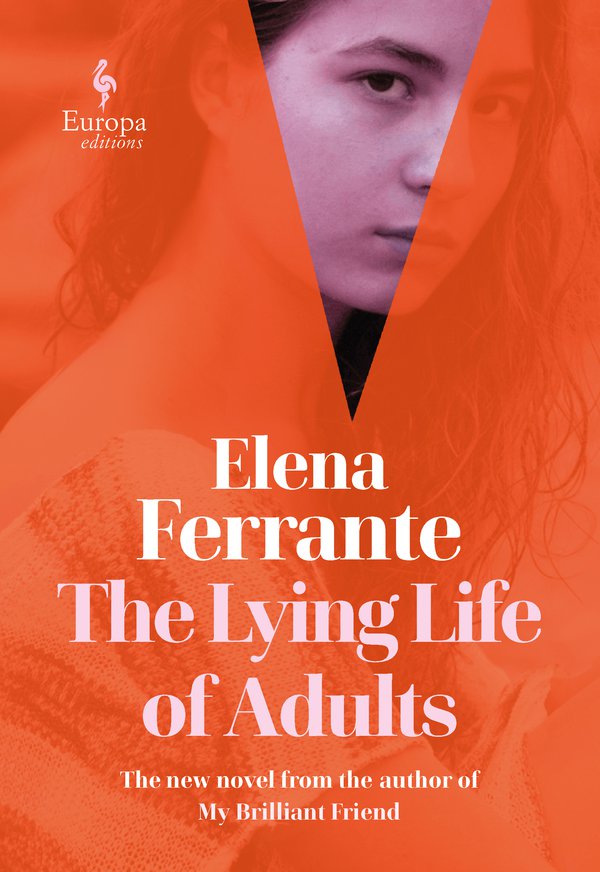
With ‘The Lying Life of Adults’, Ferrante has made her way into my most favourite writers of all time list. I read Days of Abandonment by her earlier this year and thoroughly enjoyed it. The Lying Life of Adults is another coming-of-age literary masterpiece by Ferrante. The book pulls you into the story of Giovanna from the very beginning. The story follows the story of Giovanna spanning her 13-16th year as she grapples with her own self as well as the lives of adults around her. She belongs to an affluent family with academic parents, who live in an affluent neighbourhood and have like-minded friends. She transforms from being a compliant and sometimes, a trophy child to finding her own voice and asserting herself in front of her family, friends and other like-minded people from the so-called intelligentsia of Naples.
She is inexplicably drawn towards her father’s side of the family, especially her aunt Vittoria- the most hated person in her family- someone who is considered ugly inside out by Giovanna’s parents. After her father calls Giovanna ugly and compares her to his sister Vittoria, Giovanna sets off on a journey to the depths of Naples (a place of squalor and vulgarity) and also to the depths of her self, family secrets and other relationships. Her journey from the heights of Naples to the depths of Naples marks not only a physical journey from the North to the South but also her transition from childhood to adolescent.
What I loved about this book is the recurring theme of the superficial and hypocritical lives that adults live- they expect their children to be a certain way when they grow up- to be honest, just, etc., but they themselves lead a two-faced life of lies and double standards. The lives of adults are divided by class and wealth but united by their knack for lying. The book also touches on many other themes such as the constructs of beauty, the male gaze, faith, love and lust among others. The mention of umpteen number of Italian delicacies and places in the books transports you to her character’s Neapolitan world and culture. All the characters in Giovanna’s story are brilliant and unique in their own ways- you will love some and hate some but you will not forget them.
I loved how the story took shape, how the characters and their relationships with one another evolved throughout the novel and it gripped me from the very beginning, I was unable to put it down at any point. The ending was a tad bit disappointing- I wish it were different but I loved the book nonetheless. Perfect for fans of Murakami’s Norwegian Wood and Sputnik Sweetheart or anyone who fancies coming-of-age novels with visceral and interesting characters.
Thank you to the publishers, Europa Editions UK for sending me a copy, I was beyond elated to have found this in my mail and I devoured it immediately.

 Literature, Poetry and Reading.